Lay_Out: Ed Gunneweg
Het schokkende verhaal van Miranda
‘Zoetstoffen kunnen leiden tot suikerziekte’
Kunstmatige zoetstoffen, bedoeld als wapen tegen ziekten door overgewicht, blijken de kans erop juist te verhogen. Dat schrijven Israëlische onderzoekers vandaag in Nature na onderzoek bij muizen.
Lees het hele artikel
Neem in ieder geval eens een kijkje op de Facebookpagina
Vertel welke problemen u kreeg door aspartaam.
Heeft het u veel moeite gekost om te stoppen?
Zijn er nog restverschijnselen?
Help anderen door uw mening te geven.
De voortgaande strijd tegen aspartaam
De enige manier om aspartaam goedgekeurd te krijgen
was door leugen, bedrog, plagiaat en belangenverstrengeling. Dat is al zo
sinds de ontdekking van aspartaam
ook de efsa heeft daar gebruik
van gemaakt.
Klachten door smaakversterkers
Lees: de FAQ van de EFSA over aspartaam, antwoord op de column van Martijn Katan. De artikelen van Dr. Mercola over Coca-Cola en Pepsi Lees de brief aan SBS6 over de Feiten en Fabels over aspartaam. zie [Nieuwe Artikelen]
De zoetstof industrie voelt waarschijnlijk de hete adem van de anti-aspartaam beweging en ziet als laatste strohalm het oprichten van meerdere websites, zoals zoetstoffen.nl en zoetstoffen.eu
Advantame = Advantaam
Als u dit leest is Advantaam, alweer een "Nieuwe
zoetstof" op de markt gebracht door fabrikant
AJINOMOTO.
Deze fabrikant is tevens de maker van de
smaakversterker MSG.
De EU heeft er dan ook niet veel moeite voor hoeven
doen om deze vervanger van aspartaam in zeer korte tijd goed te keuren. Dat
was natuurlijk ook niet anders te verwachten. De goedkeuring van aspartaam
zit nog in de pijplijn en dan wordt deze nieuwe zoetstof al weer
goedgekeurd. Het is uiteraard te verwachten dat de goedkeuring van
aspartaam dan niet meer ver weg is, ondanks alle kritiek die er rond deze
goedkeuring is losgebarsten. Bewijzen van wetenschapper die aantonen dat
aspartaam wel degelijk gevaar op levert voor de volksgezondheid worden voor
het gemak onder tafel geschoven. Ook hier krijgen de "bewijzen" van de fabrikanten, duidelijk voorrang op
het gedegen onafhankelijk wetenschappelijk onderzoek.
Lees het artikel over advantaam
"Aspartaam" is een zoetstof die ernstige risico's voor de
(volks)gezondheid met zich mee brengt. Fabrikanten verschuilen zich achter
mistgordijnen, overheid en politiek spelen een merkwaardige rol.
Al
meer dan 17 jaar toont de webmaster van deze website aan dat zogenaamde
"wetenschappelijke" onderzoeken, geproduceerd door wetenschappers in dienst
van de zoetstof fabrikanten niet wetenschappelijk genoemd mogen worden.
Zodra de resultaten van echt wetenschappelijk onderzoek bekend worden
gemaakt, slagen pseudo-wetenschappers er vaak in om het onderzoek
belachelijk te maken of in discrediet te brengen. Deze "pseudo
wetenschappers" produceren "wetenschappelijke rapporten" naar de wensen en
opdrachten van hun werkgevers.
Informatie over de
webmaster. -Onafhankelijk
onderzoek! door de WHO.
Kijk voor nieuwe artikelen in het menu onder nieuw
Sinds 2006 is er een aparte website voor problemen veroorzaakt door smaakversterkers.
Mijn beide websites worden
zonder noemenswaardige steun in stand gehouden. Om de onafhankelijke
informatie op deze website te waarborgen zijn een aantal reclames op de
website noodzakelijk.
Attentie: de Google-advertenties
worden automatisch geplaatst, en de webmaster van deze site heeft daar
weinig invloed op. Sommige advertenties kunnen daarom het tegendeel beweren
van wat op deze website staat!
Doe GRATIS de
60-dagen-
geen-Aspartaam Zelf-test
en observeer simpel het resultaat.
U
zult verbaasd zijn.
Download een A4-tje met 10 kaartjes om uit te printen:
Mogelijk gemaakt door RickD van www.eqgen.nl

ASPARTAAM GOEDKEURING
* 15 mei 2013 *
Het advies over de goedkeuring van aspartaam dat op 15 mei 2013 zou worden uitgebracht is uitgesteld tot november 2013.
De EFSA en de Europese Commissie zijn overeengekomen om de termijn voor de volledige herbeoordeling van aspartaam uit te stellen, zodat er voldoende tijd is om alle feedback in overweging te nemen, met inbegrip van nieuwe informatie, die voortvloeit uit de openbare raadpleging over het ontwerpadvies.
Het blijkt nog niet zo gemakkelijk te zijn om tot een eensluidend oordeel te komen. Ze (de EFSA) heeft in ieder geval meer tijd nodig om alle ingebrachte informatie te integreren.
Ach, we hebben al zo lang geduld moeten hebben.
EFSA pleegt schaamteloos plagiaat
* 23 mei 2013 *
Uit onderzoek blijkt dat de EFSA in haar ontwerp onderzoek voor de
goedkeuring van aspartaam hele gedeelten van het rapport gewoonweg heeft
overgeschreven uit een onderzoek van de fabrikant van aspartaam. Om u te
overtuigen dat het gewoon nooit de bedoeling is geweest en zal zijn om een
eerlijk onderzoek te doen naar de goedkeuring van aspartaam lees dan verder
in het aspartaam dossier, de maar doorgaande malversaties onder het mom van
openheid en eerlijkheid. Het blijkt dat er bij de EU iets ontzettend mis
is, waar de burgers van de EU gewoon het slachtoffer van
zijn.
Waar kunnen we nog terecht als we zelfs de instantie voor
onze voedingsveiligheid absoluut niet kunnen vertrouwen.
Ik vond het bijzonder ernstig, daarom heb ik alle leden van de 2e Kamer
een email gestuurd.
Nu maar afwachten in welke la of doofpot het terecht
komt, want dat zijn we van de EFSA al langer gewend.
Volgens de concept studie van de EFSA is aspartaam nog steeds een veilige zoetstof!
* 14 februari 2013 *
De EFSA heeft een concept studie uitgegeven waarvan de uitkomst is zoals al verwacht werd. De EFSA keurt in het rapport aspartaam zonder meer goed. Als we de studie gaan bekijken blijkt dat er alleen maar naar onderzoek van de fabrikant wordt gekeken. Niet één onderzoek van onafhankelijke onderzoekers wordt genoemd, laat staan dat er in het onderzoek rekening mee wordt gehouden.
Coca Cola maakt zich belachelijk
Nieuwe
advertentiecampagne Verdedigt Aspartaam
* 29 augustus 2013 *
Aspartaam veroorzaakt kanker bij laboratorium dieren, maar ze willen dat je het hoe dan ook consumeert om af te slanken.
Hoe kan dit razend populaire bedrijf miljoenen besteden om een product te promoten waarvan in HONDERDEN studies is aangetoond dat het schadelijk is? Ook al is aangetoond dat het kanker, zoals leukemie, lymfoom, en andere tumoren veroorzaakt, ze houden vol dat het veilig is bij het afslanken ...
Het is duidelijk aangetoond dat aspartaam niet veilig is
* 22 januari 2013 *
De Europese Autoriteit voor de voedselveiligheid (EFSA) is door de leden
van het (Britse) parlement gevraagd om aspartaam nogmaals te herzien. Ze
konden niet begrijpen waarom de EFSA zei dat het veilig is wanneer nieuw
gepubliceerde onderzoeken laten zien dat het dodelijk is en bevestigd door
de enorme hoeveelheid medisch en wetenschappelijk onderzoek dat zich heeft
opgestapeld gedurende de laatste 30 jaar.
De EFSA gaat alleen maar uit
van door de industrie aangeleverd onderzoek en dat onderzoek is uiteraard
alleen maar PRO-Aspartaam.
Hoe kunnen ze deze houding nog steeds
volhouden? De lobby van de fabrikanten is bij de EU wel heel erg
sterk.
Onderzoek: Depressief door Light-frisdrank
* 10 januari 2013 *
In het AD van 10 januari 2013 staat een artikeltje dat Amerikaanse onderzoekers een verband hebben gevonden tussen depresiviteit en kunstmatig gezoete frisdranken.
Voedingscentrum beveelt Cola Light aan!!!!
* mei 2012 *
Het "Voedingscentrum" zegt in een artikel in het
AD van 10 mei 2012 dat twee glazen Cola Light per dag voor kinderen van 6
jaar geen enkel gevaar geeft.
Het artikel is van Dhr. Cohen, voorzitter
van deze door de voedings- en drankenindustrie gesponsorde club. Ik vind al
jaren dat de manier waarop het "Voedingscentrum" over voeding praat tegen
het geweten van deze mensen moet ingaan, of ze zijn zo verblind door de
stroom geld die van diezelfde voedings-en drankenindustrie komt, dat de
gezondheid van de Nederlandse bevolking er totaal niet meer toe doet.
Het is heel jammer dat we zelfs met onze problemen over voeding niet meer
bij onze regering terecht kunnen. Bij wie moeten we onze klachten dan nog
wel neerleggen?
Neotaam als vervanger van aspartaam
* Geen haar beter *
Neotaam is de nieuwe zoetstof uit de stal van de
giffabrikant Monsanto die in 2002 door de FDA en eveneens door de EU is
goedgekeurd, die niet meer op het etiket hoeft te worden vermeld. De
zoetstof is wellicht nog gevaarlijker dan aspartaam en er zijn maar twee
identieke onderzoeken naar gedaan. Genoeg om het vergif in onze voeding te
laten verschijnen.
Lees ook het artikel over Neotaam van Dr. Mercola,
waarom neotaam gevaarlijk is.
Hernieuwd onderzoek naar schadelijkheid aspartaam?
* Light frisdrank schadelijk tijdens zwangerschap *
Opnieuw wordt er gevraagd om een herevaluatie van de zoetstof aspartaam. Wordt er nu een echt onderzoek gedaan of wordt dit een herhaling van het onderzoek uit 2002?
Dossier over de eerdere goedkeuring
* *
Aspartaam Dossier geeft een uitgebreid inzicht in de (voorzichtig gezegd) vreemde manier waarop het mogelijk was dat aspartaam op 19 februari 2003 werd goedgekeurd. Door het grote aantal stemmers werd het amendement aangenomen en leek het dat de Commissie voor de Voeding een juiste beslissing zou nemen. Het tegendeel was waar.
EFSA heeft onderzoek naar aspartaam acht jaar vervroegd
* Weer met een kluitje in het riet? *
Gelukkig
worden er in de Tweede Kamer door de Partij voor de Dieren
vragen gesteld over de eventuele belangenverstrengeling van de
voedingsindustie en de EFSA.
De EFSA is de instantie in de EU die
toezicht moet houden op onze voedselveiligheid, maar tenminste de schijn
van belangenverstrengeling tegen heeft, gezien het vorige onderzoek, dat
eigenlijk onder de vreemdste omstandigheden gehouden is. U kunt in het Dossier over
aspartaam veel informatie vinden over deze merkwaardige gang van zaken.
EU-parlementsleden kregen geen toegang tot documenten waaruit zou blijken
dat de onderzoekers zeker banden met de voedingsindustrie hadden.
Zie ook de EFSA documenten:
Overheid en overgewicht
* Overheid veel te terughoudend in bestrijding van overgewicht *
Het overgewicht van de bevolking neemt steeds ernstiger vormen aan. De regering zegt in haar nota: "Gezondheid Dichtbij" uit 2011 van Minister Edith Schippers dat ze vijf speerpunten voorstaan om de volksgezondheid te verbeteren: overgewicht, diabetes, depressie, roken en schadelijk alcoholgebruik. Drie van deze speerpunten gaan ook op voor aspartaam en smaakversterkers. De hoofdzaken van "Gezondheid Dichtbij" aan een nadere beschouwing onderworpen.
Nog meer verkeerde zoetstoffen
* De strijd om uw gunst gaat door *
Er zijn weer diverse fabrikanten die
u wijs willen maken dat hun zoetstof nu eindelijk veilig is en goed voor uw
gezondheid.
De zoetstoffen die deze fabrikanten op de markt brengen
zijn nagenoeg net zo slecht voor uw gezondheid als aspartaam. Er wordt nu
gezegd dat het probiotica bevat (zonder aspartaam). Dat is dus om u in
slaap te sussen. Maar ondertussen wordt u weer overgehaald om deze
zoetstoffen die in de plaats komen voor aspartaam te gaan gebruiken. Het
gaat hier om de zoetstoffen "Tagatesse" en "Nevella".
Wellicht is er nog
meer zoetstof met sucralose in de handel en dan hoor ik dat graag.
Lees
het artikel over de zoetstof splenda (sucralose):
AMINOSWEET
* Laat u niet voor de gek houden *
Nieuwe aanval van Ajinomoto op onze gezondheid. Aspartaam
wordt in Europa op de markt gebracht onder de nieuwe merknaam Aminosweet.
Er is opnieuw een wervende advertentie reclame met lachende dames die fruit
met aminosweet gebruiken. Kinderen die een toetje eten.
Ajinomoto ook
bekend van de smaakversterker MSG (monosodiumglutamaat -
mononatriumglutamaat) heeft natuurlijk ervaren dat de omzet van
het vergif aspartaam hard achteruit loopt en heeft daar de truc op
verzonnen aspartaam van een nieuwe naam (aminosweet) te voorzien. Dan duurt
het weer een tijdje voordat iedereen weer door heeft dat het net zo
gevaarlijk is als aspartaam.
Lees ook het artikel over de zoetstof
splenda (sucralose):
"LIGHT" GEVAARLIJK BIJ ZWANGERSCHAP!
* Light frisdrank schadelijk tijdens zwangerschap *
Toekomstige moeders die dagelijks frisdranken met kunstmatige zoetstoffen drinken lopen meer risico op een vroegtijdige bevalling.
Lees het verhaal van Fred
* De voor veel mensen herkenbare klachten door aspartaam gebruik *
"Een dag later was ik weer duizelig, had last van mijn ogen, betrapte mezelf op hyperventilatie en hoofdpijn. Ik werd er gek van. Bij thuiskomst zocht ik op internet naar een nog niet eerder gezochte combinatie van hoofdpijn, fishermans friend en duizelig ..."
ASPARTAAM, HERSENKANKER & DE FDA- GOEDKEURING
* Documentaire op Amerikaanse TV *
De goedkeuring van aspartaam door de Amerikaanse Voedsel en Waren Dienst
(FDA) was de meest omstreden goedkeuring ooit. De goedkeuring werd niet
gegeven op basis van gedegen wetenschappelijk onderzoek maar werd ingegeven
door politieke (en financiële) belangen.
Aspartaam werd in 1965
'ontdekt' door Searle, een farmaceutisch bedrijf uit Chicago. De FDA keurde
aspartaam uiteindelijk goed in 1981, terwijl wetenschappelijk onderzoek
duidelijk aantoonde dat aspartaam hersenkanker veroorzaakte in
proefdieren. De voedingsindustrie blijft volhouden dat aspartaam volkomen
ongevaarlijk is voor menselijke consumptie. Deze zelfde industrie laat nog
steeds door betaalde wetenschappers rapporten produceren die zogenaamd
bewijzen dat het echt ongevaarlijk is. Deze zg. "onderzoeksgegevens" worden
gebruikt om de consument om de tuin te leiden.
Voor meer films van HealthRanger7 over aspartaam
http://www.youtube.com/watch?v=Z0xNT-
URrwU&list=SPF04372C1D154939F
ONDERZOEK NAAR ASPARTAAM MET FOTO'S
* Ik wilde zichtbaar bewijs *
Eind vorig jaar beëindigde Victorie Inness-Brown haar onderzoek naar de kankerverwekkende eigenschappen van aspartaam.
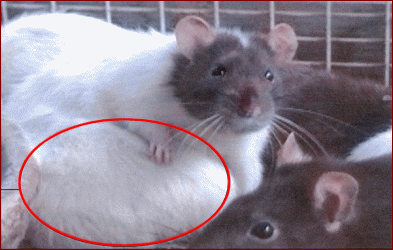
"Ik hield mijn aspartaamonderzoek omdat mijn familie verslaafd was aan light frisdrank. Na onderzoek naar de effecten van aspartaam, geloofde ik sterk dat de kunstmatige zoetstof ze op een dag ziek zou maken en zelfs zou kunnen doden."
DE GEVAREN VAN ASPARTAAM
(zoetstof
suikervrij E951 light)
* Documentaire op Amerikaanse TV *
Aspartaam (E951) is een kunstmatige zoetstof, volgens Dr. Mercola aanwezig in meer dan 9000 producten.
De
Voedingsindustrie zegt dat aspartaam helpt om af te vallen, maar waarom
wordt overgewicht (obesitas) dan een steeds groter probleem?
Geloof
niet langer in de onwaarheden die verteld worden door de voedingsindustrie
en de 'main stream' media. In tegenstelling tot wat de 'gezondheidsexperts'
(betaald door de voedingsindustrie...) zeggen, dit spul is NIET veilig!
Aspartaam is een zoet gif, op de markt gebracht om U ziek te maken zodat de
farmaceutische industrie U medicijnen en pillen kan verkopen om de ziektes
te 'behandelen' die door aspartaam zijn veroorzaakt. Doe U zelf een plezier
en verwijder dit zoete gif uit uw voedingspatroon voor 60 dagen en ontdek
hoe enorm uw gezondheid zal verbeteren!
Voor meer films van HealthRanger7 over aspartaam
https://www.youtube.com/user/HealthRanger7
Namenlijst van fabrikanten en leveranciers
* *
Op deze website is een lijst opgenomen van fabrikanten en leveranciers van de zoetstof aspartaam. Voor de levensmiddelenfabrieken geldt: er wordt minstens één product in de handel gebracht waar aspartaam in zit (het hoeven niet alle producten te zijn).
Laat u niet voor de gek houden, denk om uw gezondheid.